
A.L.M. Abatements, Inc. provides reliable and thorough mold abatement services that Englewood property owners depend on for safe, compliant results. Mold growth can compromise indoor air quality, damage structures, and create health concerns if left untreated. With trained technicians and proven methods, our team delivers effective solutions tailored to each environment, whether residential or commercial.
Mold abatement is the process of identifying, containing, removing, and preventing mold growth within a structure. Unlike basic cleanup, abatement addresses the source of moisture and contamination. Our approach aligns with professional mold removal Denver standards to ensure long-term protection and regulatory compliance.
Mold can thrive in areas with a lot of moisture on building materials near leaks from window and roof leaks, pipes, or areas affected by flooding.
Home tests that offer a pass/fail result will not identify the type of mold that can be present in your home. An Industrial Hygienist can properly test for mold spores in a home or building and identify the specific mold present.
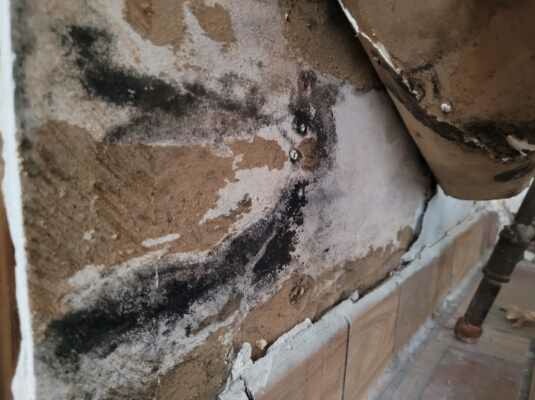
Our specialists manage a wide range of mold types commonly found in buildings, including surface-level growth and more complex infestations. This includes safe black mold removal and detailed black mold remediation, along with other mold varieties that thrive in damp or poorly ventilated areas.
(Pronounced Sta·kee·baa·trees) also known as “Black Mold”
Stachybotrys is one of the most dangerous types of mold. It can cause flu-like symptoms, including diarrhea, headaches, memory loss, and severe respiratory damage. Children are at an even greater risk for health problems associated with exposure to black mold.
Typically described as ‘black mold,’ it can also appear grey or dark green. It tends to have a very musty or mildewy odor and is found in very damp areas of homes and buildings.
(Pronounced Ke-to-mi-um)
Chaetomium is most commonly found in homes that have experienced water damage. It will grow in wet, dark environments such as drywall, wallpaper, baseboards, and carpets. This type of mold is similar to black mold and can sometimes share the same environment.
Along with general signs of allergies, including red, watery eyes, and trouble breathing, chaetomium spores can also cause neurological damage and certain autoimmune diseases.
(Pronounced A·spr·gi·luhs)
Aspergillus spores are commonly found in the soil, decaying vegetation, seeds, and grain and are often present in the air that many of us breathe daily.
This mold can be dangerous to people with compromised immune systems. Exposure to aspergillus may cause allergic reactions, lung infections, and a specific type of infection known as aspergillosis.
(Pronounced Fyoo·zaa·ree·uhm)
Fusarium is a type of mold that is most commonly found in plant debris and soil. However, it can also be found in very damp areas of your home, underneath carpeting, inside drywall or foam insulation, and in humidifier pans and HVAC systems.
Although rare, a severe eye infection called fusarium keratitis can result from exposure.
We begin with a detailed assessment, followed by containment, removal, cleaning, and preventive treatments. Our services include mold remediation services in Englewood, precise residential mold removal, and large-scale commercial mold abatement Denver projects, all performed with minimal disruption and clear communication.
Hiring an experienced mold remediation contractor with a solid reputation, like ALM Abatements, is crucial to address your mold concerns. Testing is highly recommended by a third party to determine which type of mold you are dealing with.
Call ALM Abatements if you need a referral for a mold testing company, and always look in the dark, damp spaces in your home for potential water issues before they become a problem.
Contact Us
"*" indicates required fields
FAQ
You can contact A.L.M. Abatements, Inc. directly through our website or by phone to get started.


